
Tree templates are versatile tools for year-round learning in the classroom. They offer a creative approach to studying trees, sparking interest in science, writing, and art. From exploring tree habitats to tracing shadows, these templates engage students in hands-on activities that deepen their understanding of nature.
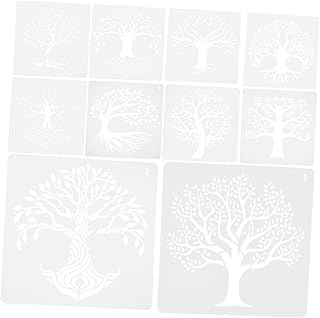
One way to utilize tree templates is through math exercises. Students can practice addition and subtraction by using fruit manipulatives on tree templates. This not only reinforces math skills but also fosters a connection between math and nature.
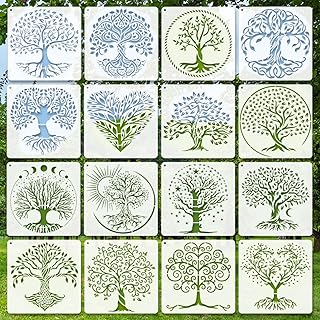
Moreover, tree templates without leaves can serve as platforms for research projects. Students can delve into the characteristics of different types of trees, decorating templates with relevant information. This activity promotes research skills and encourages students to explore the biodiversity of trees.

Another engaging activity involves creating “All About Me Trees,” where students list personal traits on the branches of a template. This exercise not only cultivates self-expression but also enhances students’ sense of identity and belonging within the classroom.

Furthermore, templates featuring multiple trees across seasons offer valuable insights into the cyclical nature of tree growth. By decorating trees to represent winter, spring, summer, and fall, students learn about the changing appearances of trees throughout the year.

Additionally, templates of specific tree types, such as palm trees or sequoias, can inspire storytelling and research projects. By incorporating these templates into creative writing exercises, students can develop narrative skills while exploring the unique characteristics of various tree species.
Tree templates with writing lines provide opportunities for students to set goals, reflect on personal growth, or respond to literary works like “The Giving Tree.” These templates encourage students to engage with themes of growth, generosity, and self-awareness in their writing.
For a hands-on approach, 3D tree templates allow students to create three-dimensional tree models using card stock. This activity promotes spatial awareness and artistic expression, culminating in visually appealing decorations for classroom celebrations.
Moreover, tree templates can be used for creative science experiments, such as growing crystals on paper trees. By following simple steps with salt solutions, students can observe crystal formation, linking scientific concepts with artistic representations.
In conclusion, printable tree templates offer a myriad of educational possibilities, blending art, science, and literacy in an engaging format. By incorporating these templates into classroom activities, educators can nurture students’ curiosity about the natural world and inspire a deeper appreciation for trees and their significance in our environment.
📰 Related Articles
- Twelve South’s Premium Travel Accessories Enhance On-the-Go Experience
- Tips for Responsible Online Gambling: Enhance Your Gaming Experience
- Tent Camping Tips: Enhance Your Outdoor Experience with Expert Advice
- TU Delft Upgrades Printers to Enhance Campus Printing Experience
- Shorter, Clearer SOAs Enhance Financial Advice Experience for Clients